Bakers' and confectioners' cooperative · Cold chain logistics
Efficient cold chain logistics:
Heavy-duty e-fleet charged intelligently
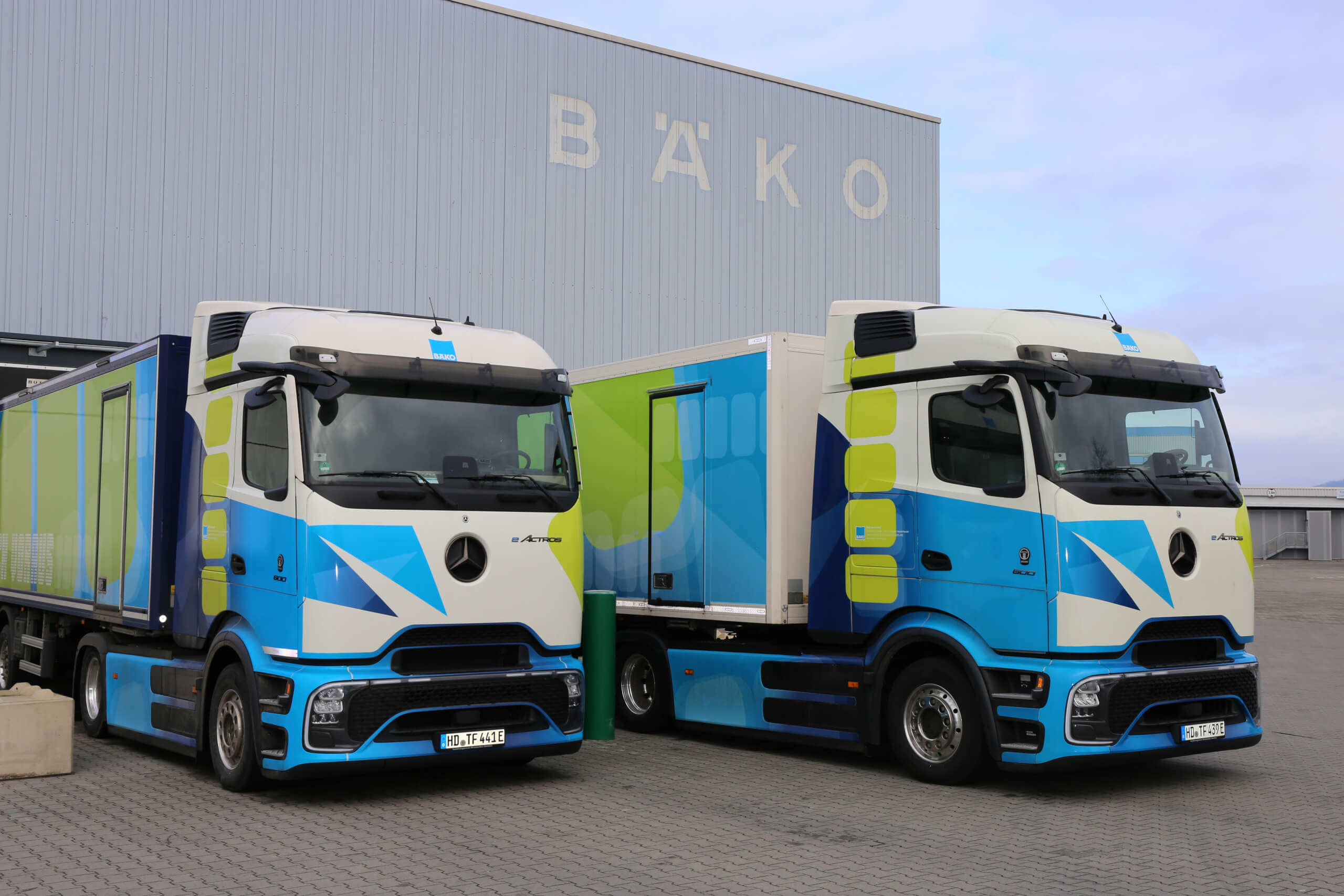
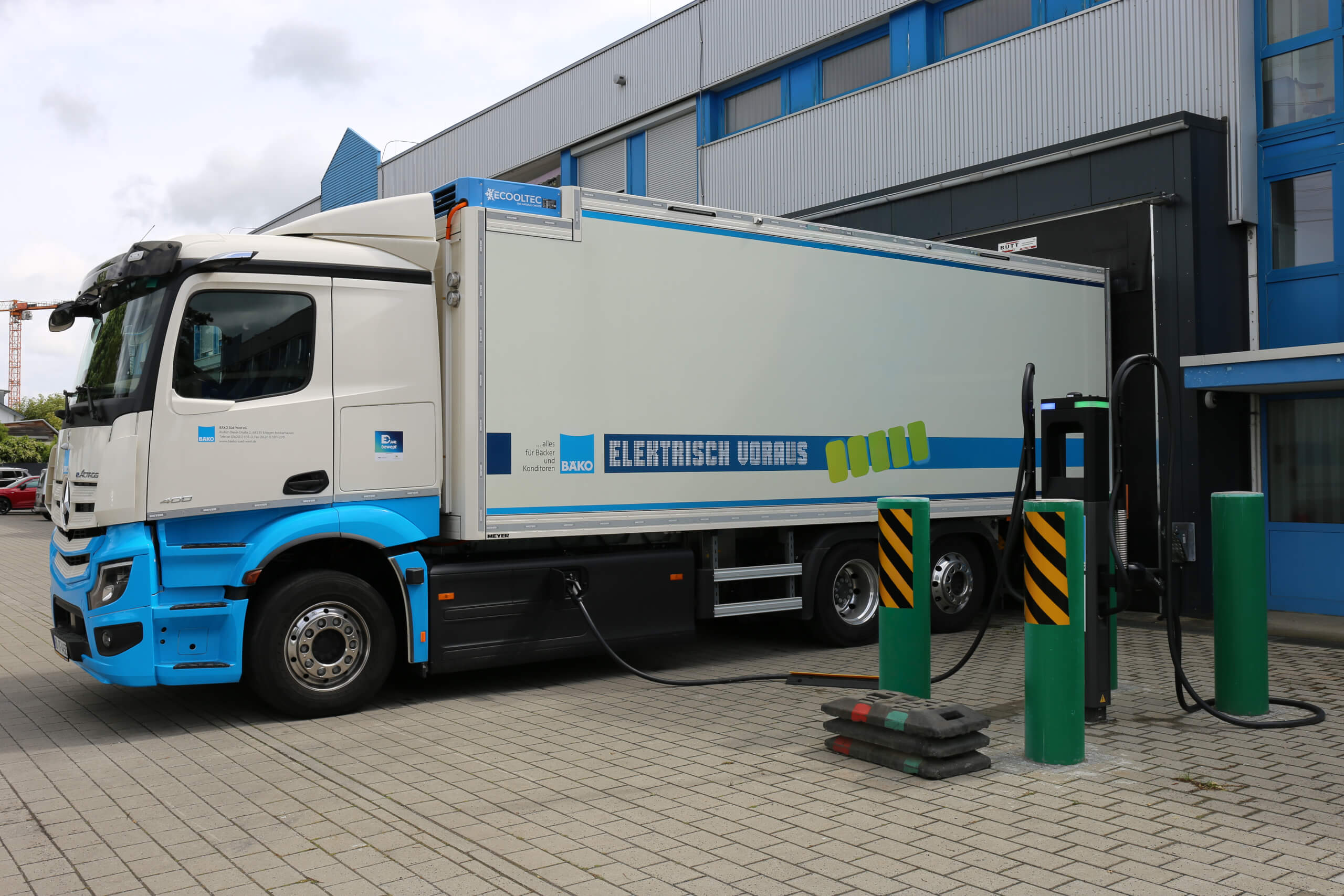
Bäko Süd-West masters the balancing act between energy-intensive cold storage and the high charging demand of its e-trucks. Based on a yield forecast, the elephi charging management system continuously matches PV generation with charging demand and automatically directs available solar power into the vehicle batteries.
© Bäko Süd-West eG
| Challenge | With elephi |
|---|---|
| E-trucks require high power output with a limited grid connection | Dynamic load management reliably distributes available power |
| Cold storage and charging infrastructure draw on the same connection | Building load is factored into charging control, preventing overload |
| PV generation and charging times must be actively coordinated | Solar power is automatically prioritised during standing times |
Starting point
Cold storage, solar power and a tight charging window: the site's energy bottleneck
Bäko Süd-West supplies around 1,000 bakery and confectionery businesses with raw materials, ingredients, and semi-finished products - on time, across the region, and with an unbroken cold chain throughout. The vehicle fleet is the operational backbone of this operation: without reliable deliveries, production in the businesses comes to a standstill.
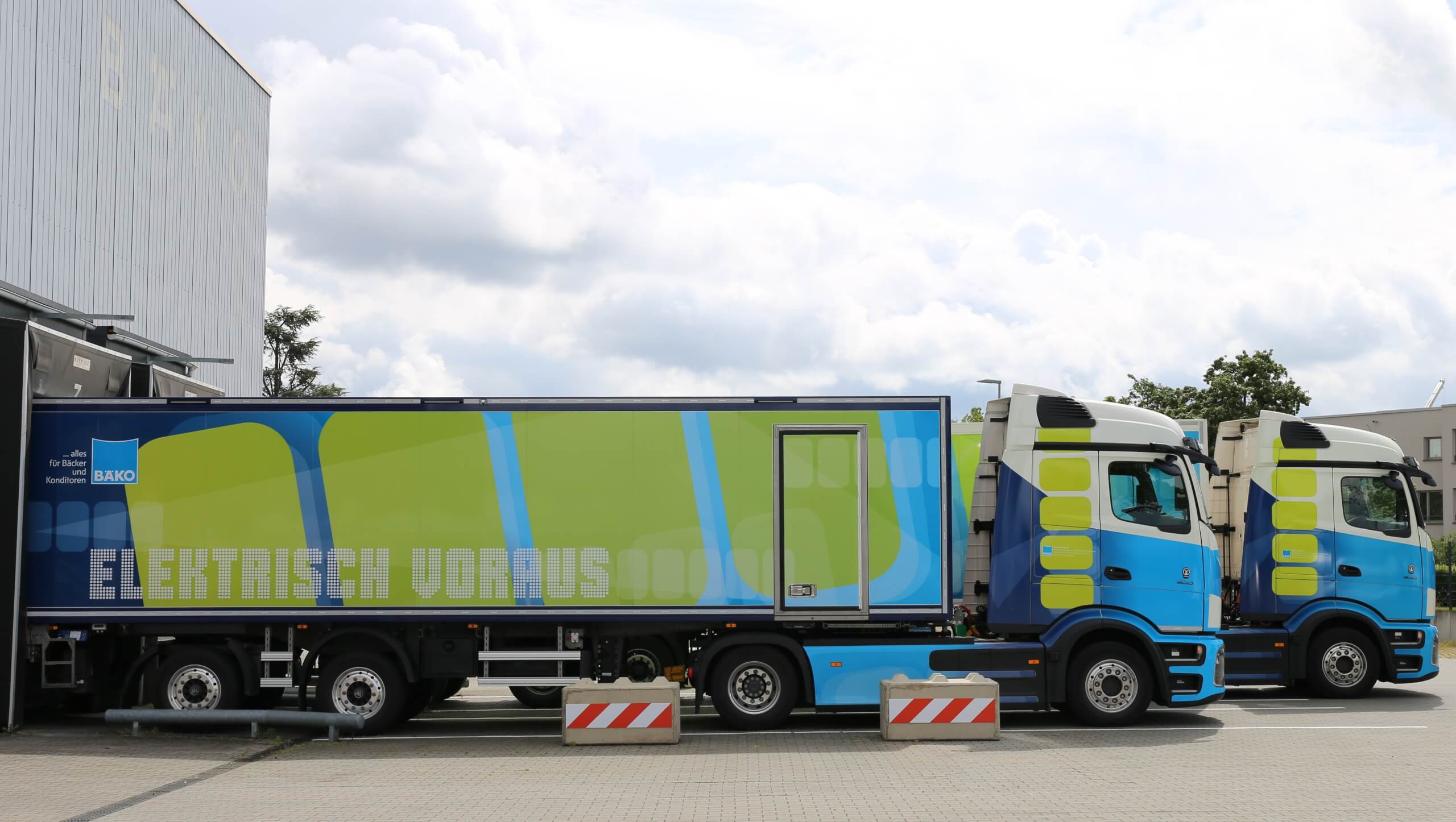
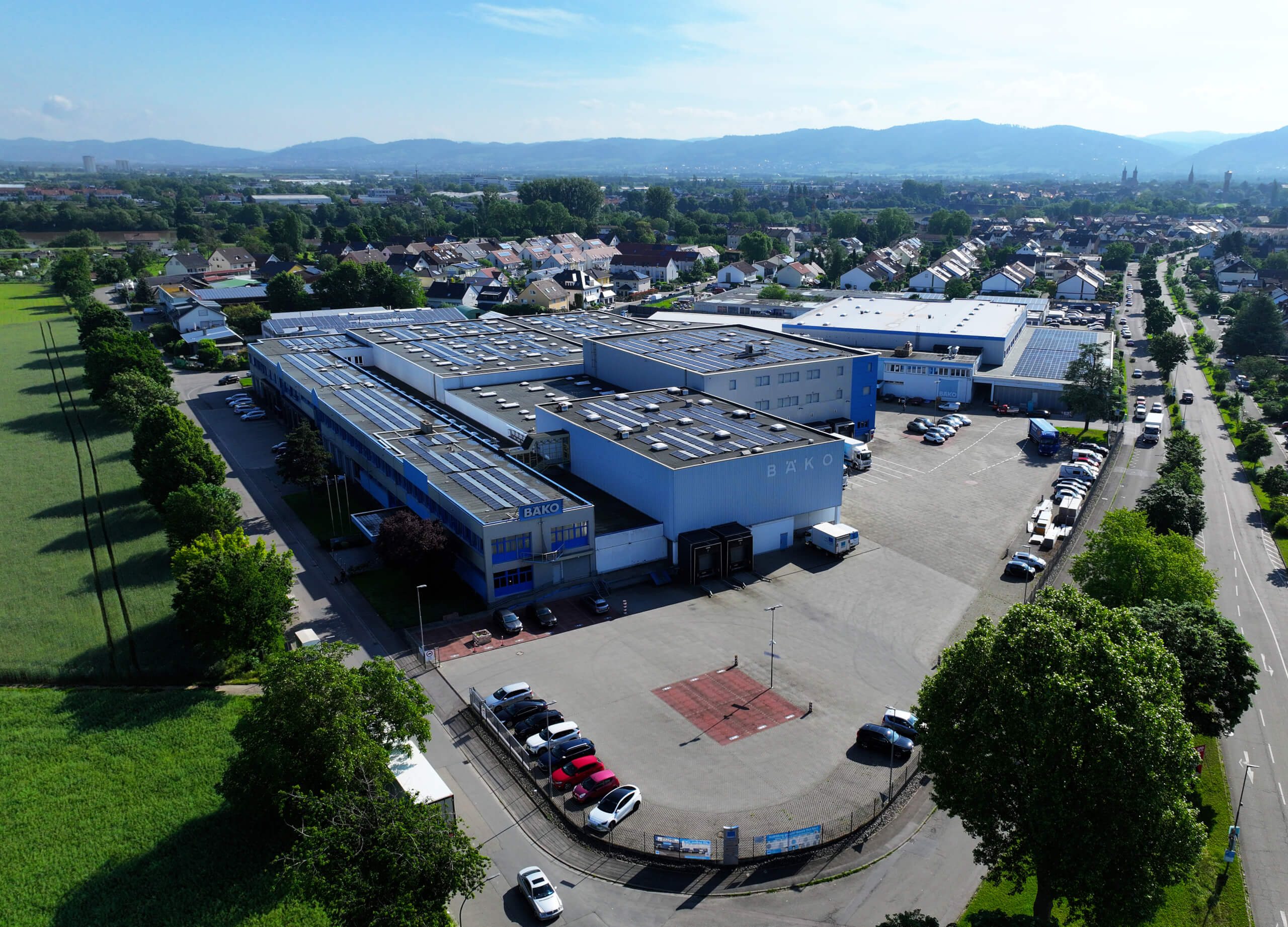
What makes electrifying the fleet particularly demanding isn't the vehicle technology alone, but the site's energy balance. Alongside cold storage, the warehouse operates 31 forklifts and fully automated pallet shuttles. Trucks and warehouse both require continuous cooling, creating a consistently high baseline demand. At the same time, a 702 kWp PV system generates solar power directly on site for self-consumption. Cold storage, PV generation, and the charging infrastructure for heavy-duty e-trucks all share the same grid connection and must be intelligently coordinated.
Add to that the time pressure: vehicles return between 11 AM and 1 PM and set off again early the next morning. The charging window is tight and the batteries of the heavy eActros models are large. Without active planning, the risk is either grid overload or incompletely charged vehicles. This is exactly where elephi from IO-Dynamics comes in.
© Bäko Süd-West eG
Facts & Figures
Charging points
DC up to 400 kW
E-Trucks
Mercedes eActros 400 & 600
PV Output
Approx. 80% self-consumption on site
Objective: CO₂ savings/year
Overall concept with Pfalzwerke
Project timeline
From joint planning to full operation
2024
Joint planning
IO-Dynamics and Pfalzwerke, the regional energy provider and partner for the site's overall decarbonisation concept, jointly defined the charging concept, grid connection, and energy flows. Charging windows, PV yield forecasts, and vehicle demand were coordinated from the outset, with the specific requirements of cold storage built directly into the control logic.
2025
Commissioning
Four Axon Easy 400 units were installed and all e-trucks integrated into elephi. Following onboarding, the system ran fully automatically from day one, aligned with Pfalzwerke's energy concept, which includes the PV system and heat pump.
Ongoing
Fully automatic operation
elephi coordinates charging, PV self-consumption, and building load together every day. Every morning, all vehicles are charged and ready to go, with no manual intervention required.
We have an energy-intensive site, a cold chain that allows no mistakes, and vehicles that need to be ready to go early every day. elephi meets exactly these requirements, while also making use of our own solar power.
© Bäko Süd-West eG
elephi in action
What elephi delivers for Bäko Süd-West eG every day
elephi factors the site's PV generation into charging planning, including a 24-hour yield forecast. Whenever solar power is available, it's prioritised for charging: self-generated electricity goes straight into the vehicle batteries before any grid power is drawn.

The Bäko Süd-West site is energetically complex: the PV system, cold storage, and charging infrastructure all run in parallel. elephi keeps track of total consumption across all systems and dynamically coordinates charging processes, so power always goes exactly where it's needed.

Cold storage and charging infrastructure share the same grid connection. elephi monitors the site's total load in real time and distributes available power across the charging points so that even when all e-trucks are charging simultaneously, neither grid overloads nor bottlenecks occur.

Vehicle scheduling is managed directly through elephi. The system takes booking data straight into charging planning and prioritises according to the principle: whoever departs first, charges first. Every vehicle is ready with the range it needs by its scheduled departure time.
Results
What has changed in daily operations
Reliability & readiness
All e-trucks stand reliably ready to depart every day from 4:00 AM
Energy efficiency & self-consumption
Automated prioritisation of solar power reduces grid draw
Cost efficiency
Peak loads are prevented, eliminating the need for costly grid expansion
Since commissioning, charging planning at the Edingen-Neckarhausen site has run fully automatically. Dispatch plans vehicle deployment, while elephi handles the prioritisation and control of charging processes, with no need for daily manual intervention. Every vehicle stands charged and ready each morning, and the cold chain remains unbroken from the very first kilometre.
The solar power generated on site is now fully put to use there. elephi ensures it's prioritised for charging whenever the trucks are on the yard and the PV system is producing. This reduces the share of grid power drawn from outside and lowers ongoing energy costs.
© Bäko Süd-West eG


